
Introduction
Data from the National Bureau of Statistics shows that by the end of 2024, China’s elderly population (aged 60 and above) reached 310.31 million, accounting for 22.0% of the total population, with an average life expectancy of 79.0 years.
As living into one’s 70s becomes common, “aging with memory, dignity, and quality” has become the new definition of healthy longevity. Neurodegenerative diseases, such as Alzheimer’s, are the main obstacles to a high-quality late life. In response, addressing dementia has become a national priority in China.
Recently, United Family Healthcare (UFH) reached a new milestone in brain health. Professor Guo Yi, a leading figure in Chinese neurology and a German MD, has officially joined as the “Chief Brain Health Expert of United Family Healthcare.” Simultaneously, the “United Family Brain Health Center” was launched at Guangzhou United Family Hospital and Shenzhen New Frontier United Family Hospital, with layouts in Beijing, Shanghai, and Tianjin expected within the year. This marks a strategic shift for UFH toward providing healthcare services across the entire life cycle.
“Check Your Brain Function Like You Check Your Liver”
Early detection reveals reversible factors.
In 2024, several national and local departments in China released action plans for the prevention and treatment of dementia. Why is “early” the keyword?
“Most elderly people who visit memory clinics in large hospitals already have significant memory loss, meaning the disease is already progressing,” says Professor Guo Yi, a pioneer in cognitive disorder diagnosis, neuromodulation, and multi-modal brain fusion research.
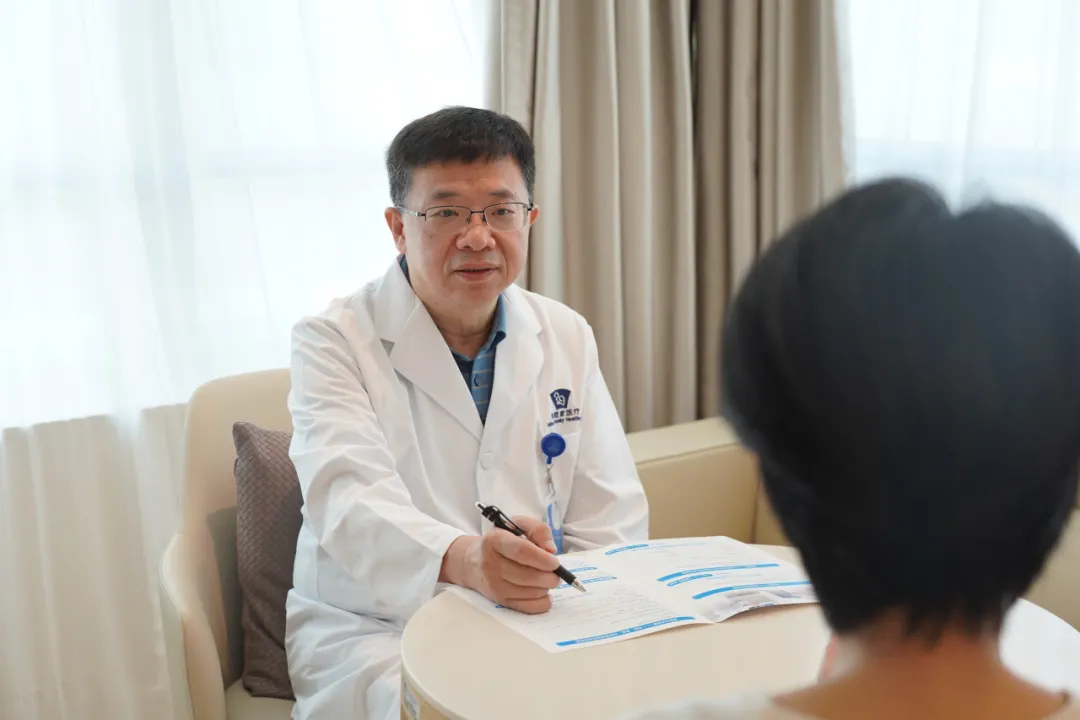
Take Alzheimer’s Disease (AD), the most common form of dementia, as an example. For years, it was thought that once it started, it couldn’t be stopped. While new monoclonal antibody drugs like Lecanemab and Donanemab offer hope by clearing β-amyloid proteins, they are currently only recommended for patients with Mild Cognitive Impairment (MCI) or early-stage AD.
“Brain function decline is a dynamic process. Changes in brain function occur long before clinical symptoms appear,” Professor Guo emphasizes. “The elderly should undergo a ‘brain check-up’ every year. There is a 10-15 year golden window before the onset of Alzheimer’s. If we detect that brain function is declining faster than average, early intervention can help about half of these patients ‘pull back’ their brain health.”
Detecting Warning Signals 15-20 Years Early
While brain structure changes and biomarkers (like β-amyloid) are traditional diagnostic tools, Professor Guo believes they are not enough for early screening.
- Traditional Scales: Subjective and only about 60% accurate.
- PET/CSF Tests: Expensive, invasive, or involve radiation, making them unsuitable for mass screening.
- Blood Biomarkers: More suitable for stratified screening in specialized clinics rather than the general population.
- Genetic Testing: Reflects innate risk but not current brain function.
To solve this, Professor Guo spent six years developing the E-CDS Intelligent EEG System, China’s first EEG-based cognitive screening model.
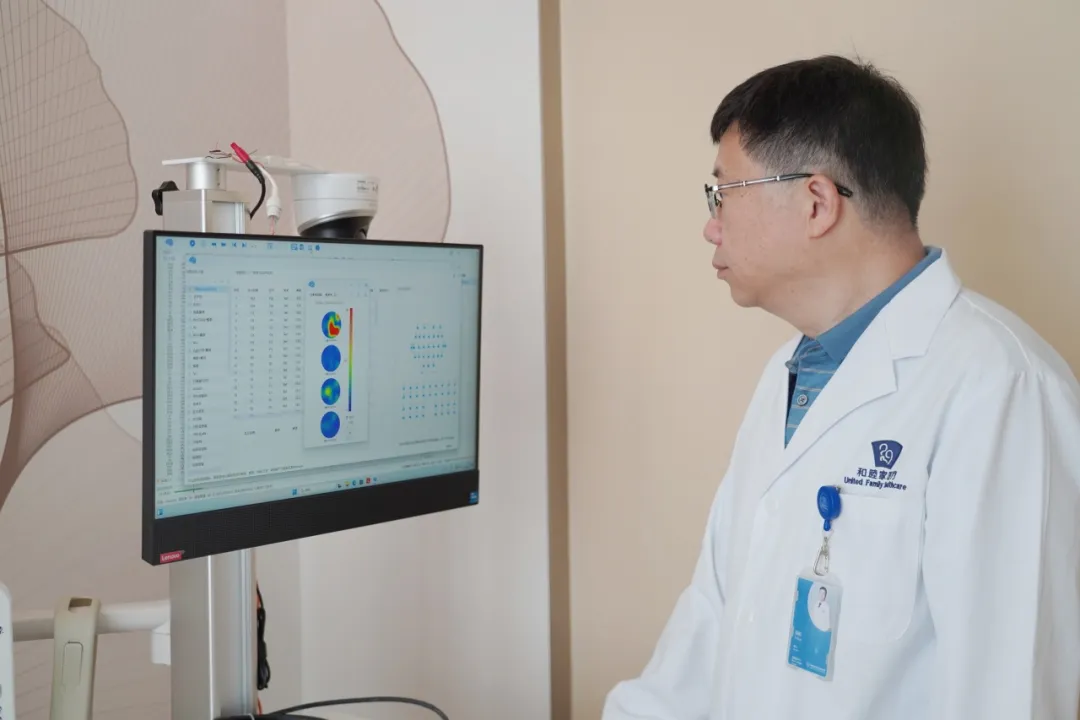
“We established a brain bank with over 8,000 clinical data cases at the Shenzhen Bay Laboratory,” explains Professor Guo. By analyzing characteristic frequency spectra in EEGs through big data, the system can capture Alzheimer’s warning signals 15-20 years before symptoms appear. It provides a visualized, digital, and intelligent report with an accuracy rate of 80%, detecting abnormalities even before brain structures are damaged.
This technology is now in clinical use at UFH hospitals in Guangzhou and Shenzhen. Patients only need a 30-minute non-invasive test to receive a precise assessment of their brain health.
Intervention at the Low-Risk Stage: Putting the “Brakes” on Decline
The E-CDS system categorizes cognitive impairment risk into: No Risk, Low Risk, Medium Risk, and High Risk.
- Low-Risk Stage: Focuses on lifestyle optimization (low sugar, low salt, low carb diets), aerobic exercise, and addressing reversible factors like Vitamin B12 deficiency or depression. About half of patients can stabilize or even improve their brain function at this stage.
- Advanced Intervention: If lifestyle changes aren’t enough, UFH provides Transcranial Magnetic Stimulation (TMS)—a safe, painless, non-invasive neuromodulation therapy—combined with innovative drug treatments.
This creates a “Screening-Intervention-Medication” closed-loop management system for patients.
Aiming for “Full Life-Cycle” Health Services
For many, United Family Healthcare is synonymous with high-end “Maternal and Child” care. The appointment of Professor Guo and the launch of the Brain Health Center signal UFH’s determination to shed this label and provide comprehensive care for all ages.
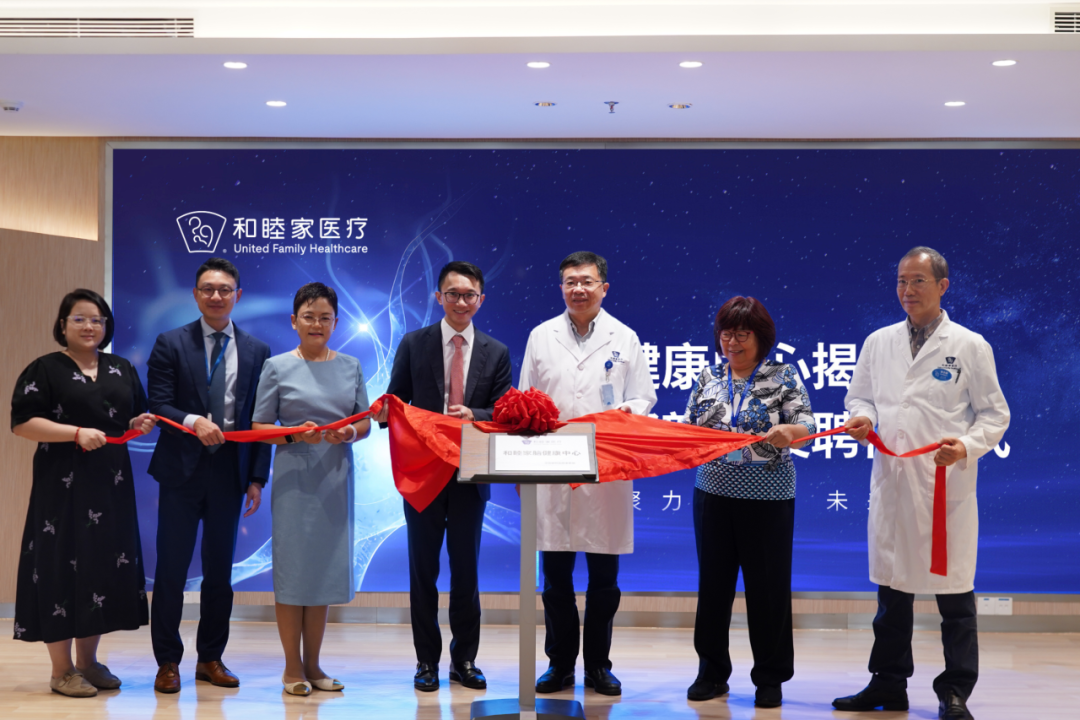
“We want to leverage the model we explored in maternal and child care to enrich more medical services,” said Kelly Xia, CEO of Guangzhou United Family Hospital. She noted that the hospital’s orthopedics department already enjoys a strong reputation for robotic-assisted joint replacements in the Greater Bay Area (GBA).
“The disease spectrum in China has shifted from infectious diseases to chronic diseases like cardiovascular issues, tumors, and cognitive disorders. We believe people should not only live long but live with quality and dignity,” Xia added. “UFH aims to play a differentiated role in the market, focusing on prevention and early intervention, catching diseases before they fully manifest.”
In the digital era, the UFH Brain Health Center will utilize big data and AI to build a data-sharing platform, creating a milestone for UFH’s “Research-Clinical-Data” network. Guangzhou United Family Hospital, as a pioneer in the “Medicine and Equipment Connect” policy, will continue to link international resources to protect the health of GBA residents.