

Ophthalmology
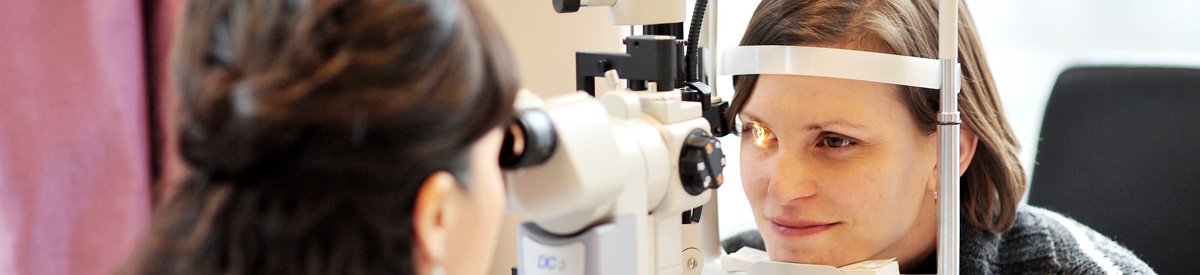
The Eye Clinic in Guangzhou United Family Hospital (GZU) offers full ophthalmic services, including routine eye exams, diagnosis and treatment of ocular diseases, optometry and optical training, and ocular disorders associated with systemic diseases. Our experienced ophthalmologists are committed to providing premium medical care for your eyes – particularly in optics and refraction – in a clean, comfortable, and quiet environment.
Guangzhou United Family Hospital offers a comprehensive range of ophthalmic services and high-end care. Due to the high standard of medical protection provided by our highly experienced ophthalmologists, we effectively improve visual quality and resolve various refractive errors. We specialize in controlling the development of myopia across all age groups and providing professional guidance on contact lenses and ocular care products. The clinic environment is clean, comfortable, warm, and elegant.
Meet Our Ophthalmology Specialists


Health Packages
Eye Check up Package
Comprehensive Ophthalmic Services
We provide a full range of eye care services, including but not limited to:
General Ophthalmology
- Eyelid diseases
- Lacrimal system diseases
- Ocular surface diseases
- Conjunctival, corneal, and scleral diseases
- Lens diseases (Cataracts)
- Glaucoma
- Uveal diseases
- Vitreous and retinal diseases
- Optic nerve and visual pathway diseases
- Refractive errors
- Strabismus and amblyopia
- Ocular trauma
- Ocular manifestations of systemic diseases
Routine Eye Examinations Include:
- Visual acuity test
- Intraocular pressure (IOP) measurement
- Eye position and ocular mobility assessment
- Slit-lamp anterior segment examination
- Pupil reflex test
- Fundus (retinal) examination
Optometry Clinic
- Refractive testing and assessment
- Correction of refractive errors
- Prescription and sales of eyeglasses
- Fitting of contact lenses (including Ortho-K and RGP lenses)
- Amblyopia treatment and follow-up observation
*Guangzhou UFH Ophthalmology collaborates with qualified institutions to provide various professional eyeglass fitting services.
How Often Should You Get an Eye Exam?
Children Aged 2 & Under
Ensure your child receives an eye screening during their regular well-child pediatric checkups. This age group should focus on screening for strabismus, amblyopia, and high hyperopia.
Children Aged 3 - 16
Generally, children can cooperate with visual acuity tests starting at age 3. Following this, a routine eye examination should be conducted once a year.
Youth & Adults (Aged 17 - 39)
If you have a family history of eye diseases or have experienced ocular trauma, you should receive timely and detailed eye exams. Individuals with high myopia should have a fundus examination once a year, including peripheral retinal screening with pupil dilation.
Adults & Seniors
Seniors are prone to age-related eye diseases. This age group should pay attention to symptoms such as vision changes, eye pain, light flashes, floaters, distorted vision, dry eyes, or burning sensations. To monitor these changes, exams should be more frequent after age 40.
High-risk Groups
If you have risk factors for eye diseases (such as diabetes, hypertension, family history of glaucoma, etc.) or are taking medications that can cause ocular issues (such as steroids), you should receive eye examinations more frequently.
Conditions That Cannot Wait
Please seek immediate medical attention if you experience any of the following:
- Rhegmatogenous retinal detachment
- Acute angle-closure glaucoma
- Central Retinal Artery Occlusion (CRAO)
- Infectious keratitis
- Ischemic retinopathy